The Best Guide To Zion national Parks Trails and biking.

Zion's Untold History


Death in Zion
Watch with Caution, these stories are meant to remind you the consequences of this beautiful place.
Flying Monkey Project
The Real Story: Air Force Primate Flights & Hurricane, Utah
In the late 1940s and 1950s, the U.S. Air Force conducted its early primate spaceflight tests—using rhesus monkeys and later chimpanzees—at Holloman Air Force Base in New Mexico and on V-2 rockets launched from White Sands. Monkeys like Albert II (1949) and later chimps like Ham (1961) provided the first biomedical data showing that primates could survive high g-forces, brief weightlessness, and capsule re-entry.
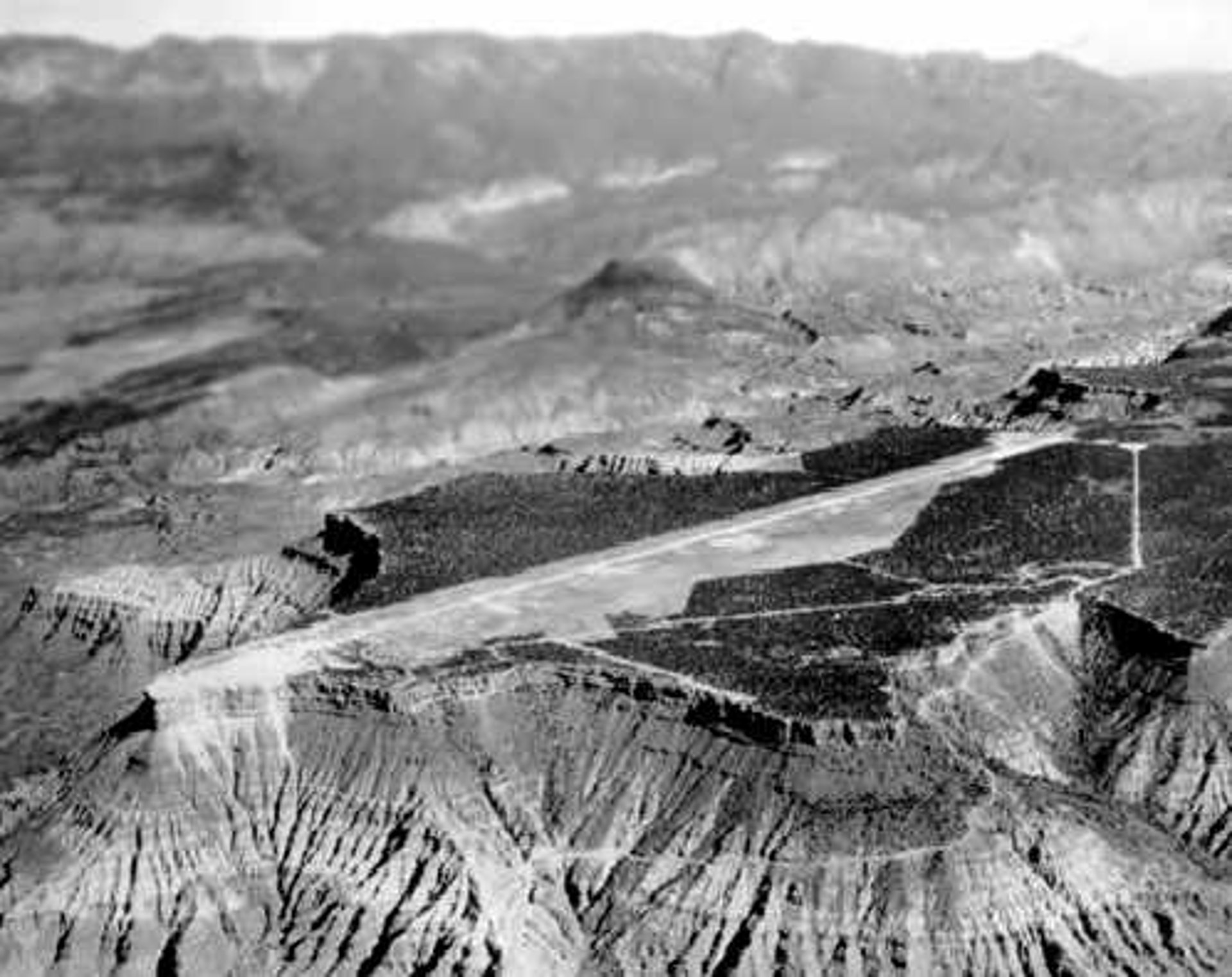
Meanwhile, at the exact same time period, a different Air Force research site was running in Hurricane, Utah: the Hurricane Mesa Test Facility, built in 1955. Instead of monkeys, it specialized in rocket-sled tests, ejection-seat development, and high-speed escape-system trials. These tests used instrumented dummies, not primates, and were crucial for improving safety on experimental jets and later spacecraft.
So while no Air Force monkey was ever launched, flown, or tested in Hurricane, the town did play a major role in the same era of aerospace research—providing the sled tests and escape-system data that helped make primate and human spaceflight survivable.
In short:
Monkeys flew in New Mexico.
Rocket sleds flew in Hurricane, Utah.
Both changed the future of aviation and spaceflight—just in very different (but completely factual) ways.


They used highly instrumented human-shaped dummies—not people.
These “anthropomorphic test devices” flew off the cliff to simulate emergency ejections.
The tests were so loud locals could hear them miles away.
Old-timers say the booms echoed off the cliffs like giant thunderclaps.
It was built in 1955 because the mesa was so remote and windy.
Hurricane’s famous high winds made it ideal for testing dangerous, unpredictable systems.
The cliff drop wasn’t accidental—engineers needed long, clean airspace.
The free fall gave ejection systems time to deploy parachutes for data collection.

Ghost Towns
Contact Nick
NickWEAVER44@gmail.com